Tuesday, November 05, 2019
Rituals
I was selected to try a Rituals box. @ritualsusa #ritualsusa, #shareyourslowdown, #tryazon.
Sunday, August 04, 2019
Truly Grass Fed Cheese Party
People barely touched the cheese; once they tasted it, they didn't care for it. They took the tote bags, though. This brand needs to create varieties with very strong seasonings, and at about a quarter of the price, if they want to sell cheese to Americans. #ChooseTruly, #TrulyGrassFed #Tryazon
Friday, May 22, 2015
And the winner is...
The winner of the coupons for FREE Renuzit Pearl Scents is… Terry P!! More goodies are coming soon!!
Monday, May 18, 2015
Renuzit Pearl Scents
The fine folks at Purex and Renuzit have sent me Renuzit Pearl Scents, Blue Sky Breeze scent, to try for free... but they didn't put any words in my mouth.
Their website says:
"Renuzit® Pearl Scents®
Renuzit® Pearl Scents® is a pretty odor neutralizer that fills your home with refreshing fragrances that last up to 30 days. And with this charming little jar, there’s no need for electric plugs or flames. Simply, set it down and it continuously leaves your room with a light and fresh scent.
More Sharing Services Share on pinterest_share
Available in:
Pure Breeze®
After the Rain®
Tranquil
Serenity
Seductive Pineapple"
https://www.renuzit.com/product/pearl-scents/
Here's what *I* say:
I like the way that the container looks:

and the way the scent pearls look like florist marbles:

The color is nice, and although I don't have any blue rooms, it's a neutral enough color that it looks nice anywhere. The fragrance is ok, sort of soapy, but I'm not big on scents that don't actually refer to real-world scented objects... skies and breezes have no fragrance. I like other scents in this line better, particularly "Seductive Pineapple"... kind of a funny name, when the other names are so peaceful, lol. The important thing about the fragrances is that they aren't excessively floral scents that the men in the family might object to. For me, having something that looks kind of cool sitting in plain view, as opposed to those white plastic things, is a big plus. The only thing I would change would be to make the top black, so that it is less immediately obvious that it is plastic; they might have been trying to simulate metal, I suppose, but non-metallic plastic just can't do that. Overall, this is a far more attractive home fragrancing option than the vast majority of what is out there, and they have a good selection of scents to choose from, so you should be able to find one that you like. I recommend giving them a try… and one of you can try them for FREE!! Just shoot me an email telling me what bad odors you need to fight in your home, and I'll select one of you to win coupons for FREE Renuzit Pearl Scents!! :)
Their website says:
"Renuzit® Pearl Scents®
Renuzit® Pearl Scents® is a pretty odor neutralizer that fills your home with refreshing fragrances that last up to 30 days. And with this charming little jar, there’s no need for electric plugs or flames. Simply, set it down and it continuously leaves your room with a light and fresh scent.
More Sharing Services Share on pinterest_share
Available in:
Pure Breeze®
After the Rain®
Tranquil
Serenity
Seductive Pineapple"
https://www.renuzit.com/product/pearl-scents/
Here's what *I* say:
I like the way that the container looks:

and the way the scent pearls look like florist marbles:

The color is nice, and although I don't have any blue rooms, it's a neutral enough color that it looks nice anywhere. The fragrance is ok, sort of soapy, but I'm not big on scents that don't actually refer to real-world scented objects... skies and breezes have no fragrance. I like other scents in this line better, particularly "Seductive Pineapple"... kind of a funny name, when the other names are so peaceful, lol. The important thing about the fragrances is that they aren't excessively floral scents that the men in the family might object to. For me, having something that looks kind of cool sitting in plain view, as opposed to those white plastic things, is a big plus. The only thing I would change would be to make the top black, so that it is less immediately obvious that it is plastic; they might have been trying to simulate metal, I suppose, but non-metallic plastic just can't do that. Overall, this is a far more attractive home fragrancing option than the vast majority of what is out there, and they have a good selection of scents to choose from, so you should be able to find one that you like. I recommend giving them a try… and one of you can try them for FREE!! Just shoot me an email telling me what bad odors you need to fight in your home, and I'll select one of you to win coupons for FREE Renuzit Pearl Scents!! :)
Monday, March 30, 2015
And the winner is...
The winner of the coupons for FREE NEW Dial Sugar Cane Husk Scrub Hand Soap is... Sharon M!! Stay tuned more goodies
Thursday, March 26, 2015
NEW Dial Sugar Cane Husk Scrub Hand Soap
(The Dial brand provided me with a sample of Dial Sugar Cane Husk Scrub Hand Soap in exchange for a product review… but they didn't put any words in my mouth.)
The fine folks at Purex and Dial sent me the following info:
"NEW Dial Sugar Cane Husk Scrub Hand Soap is the newest member of the Dial® Boutique Collection Hand Soap line, bringing luxury to your hand washing experience. With an indulgent scent inspired by freshly cut Sugar Cane, this premium formula with gentle micro scrubbers cleanses deeply while moisturizing and smoothing skin."
They also sent me a bottle of the soap to try. You can see it on their website here:
http://www.dialsoap.com/products/deep-cleansing-sugar-cane-husk-scrub-liquid-hand-soap
And here's a photo I took:

As you can see, it has a cool, modern bottle shape that will look nice next to your sink. It has a sweet, slightly tangy fragrance that is appealing without being too perfumey for a man or child to use. More importantly, it does a great job of cleaning my hands, even if they've gotten pretty yucky. It has enough abrasive to clean without irritating my skin, and moisturized as well. It was also good to use to help clean and smooth rough elbows, which is a plus.
If you have people in your house with dirty hands, and you probably do, you'll want to give this soap a try. One of you can try it for FREE; send me an email telling me the yuckiest thing you had to wash off your hands recently, and I'll pick someone to win coupons for FREE soap!! :-)
The fine folks at Purex and Dial sent me the following info:
"NEW Dial Sugar Cane Husk Scrub Hand Soap is the newest member of the Dial® Boutique Collection Hand Soap line, bringing luxury to your hand washing experience. With an indulgent scent inspired by freshly cut Sugar Cane, this premium formula with gentle micro scrubbers cleanses deeply while moisturizing and smoothing skin."
They also sent me a bottle of the soap to try. You can see it on their website here:
http://www.dialsoap.com/products/deep-cleansing-sugar-cane-husk-scrub-liquid-hand-soap
And here's a photo I took:

As you can see, it has a cool, modern bottle shape that will look nice next to your sink. It has a sweet, slightly tangy fragrance that is appealing without being too perfumey for a man or child to use. More importantly, it does a great job of cleaning my hands, even if they've gotten pretty yucky. It has enough abrasive to clean without irritating my skin, and moisturized as well. It was also good to use to help clean and smooth rough elbows, which is a plus.
If you have people in your house with dirty hands, and you probably do, you'll want to give this soap a try. One of you can try it for FREE; send me an email telling me the yuckiest thing you had to wash off your hands recently, and I'll pick someone to win coupons for FREE soap!! :-)
Thursday, March 05, 2015
And the winner is...
The winner of the coupons for FREE Dial Miracle Oil Body Wash is... Elizabeth E!! Stay tuned for more goodies!! :-)
Sunday, March 01, 2015
New Dial Miracle Oil Body Wash
The fine folks at Purex and Dial sent me a free bottle of this product to try out in exchange for a product review (as always, them giving me a free product doesn't mean they put any words in my mouth; my opinions are my own):

This image came from their Facebook page, where they said:
"Restore your skin and get a soft and smooth clean with new Miracle Oil Body Wash infused with Marula Oil."
https://www.facebook.com/Dial/photos/a.153151581365615.29984.110666905614083/1038664066147691/?type=1&theater
I had to go to their Facebook page, because this product is so new that it is not yet on their website. When it DOES show up there, I assume it will be on this page with the rest of the body washes:
http://www.dialsoap.com/category/body-wash
(Lots of goodies on that page-I've used most of 'em!!)
They also sent me the following info:
"N ew Dial Miracle Oil Body Wash is infused with caring Marula oil for beautifully, soft skin. This new body wash is formulated with Micro Oil Technology for luxurious, clean-rinsing lather that leaves skin feeling clean, soft and smooth."
As you can see, this body wash comes in a cool bottle that is very easy to hold onto in the shower; if you have ever dropped a full bottle of body wash on your toe, you will appreciate the design of the bottle as much as I do.
Here's something interesting about Marula Oil:
"The Tsonga people of South Africa and Mozambique have used the oil as a moisturising body lotion for women and also as a massage oil for babies. In the past, women used Marula oil rather than water to clean themselves."
http://en.wikipedia.org/wiki/Marula_oil#Traditional_uses
There's a long and pretty awesome article about it here:
http://www.africanbotanics.com/the-beauty-and-skin-care-benefits-of-marula-oil/
So, this is a nice addition to a body wash, and I haven't seen it in any other products… I like to be the first one to use something.
I found that this body wash lathered nicely, and left me feeling clean and with softer skin. As a bonus, it smells really fab, sort of sweet and nutty; because it's not floral, men and kids will use it without complaint. I also kind of get a kick out of the old school Dial color of it; it makes me think of the bottle of Dial liquid hand soap that my mother always had by the kitchen sink.
Are you ready to give it a try? Email me your favorite soap-related childhood memory, and I'll pick someone to receive coupons for FREE body wash!! :-)
This image came from their Facebook page, where they said:
"Restore your skin and get a soft and smooth clean with new Miracle Oil Body Wash infused with Marula Oil."
https://www.facebook.com/Dial/photos/a.153151581365615.29984.110666905614083/1038664066147691/?type=1&theater
I had to go to their Facebook page, because this product is so new that it is not yet on their website. When it DOES show up there, I assume it will be on this page with the rest of the body washes:
http://www.dialsoap.com/category/body-wash
(Lots of goodies on that page-I've used most of 'em!!)
They also sent me the following info:
"N ew Dial Miracle Oil Body Wash is infused with caring Marula oil for beautifully, soft skin. This new body wash is formulated with Micro Oil Technology for luxurious, clean-rinsing lather that leaves skin feeling clean, soft and smooth."
As you can see, this body wash comes in a cool bottle that is very easy to hold onto in the shower; if you have ever dropped a full bottle of body wash on your toe, you will appreciate the design of the bottle as much as I do.
Here's something interesting about Marula Oil:
"The Tsonga people of South Africa and Mozambique have used the oil as a moisturising body lotion for women and also as a massage oil for babies. In the past, women used Marula oil rather than water to clean themselves."
http://en.wikipedia.org/wiki/Marula_oil#Traditional_uses
There's a long and pretty awesome article about it here:
http://www.africanbotanics.com/the-beauty-and-skin-care-benefits-of-marula-oil/
So, this is a nice addition to a body wash, and I haven't seen it in any other products… I like to be the first one to use something.
I found that this body wash lathered nicely, and left me feeling clean and with softer skin. As a bonus, it smells really fab, sort of sweet and nutty; because it's not floral, men and kids will use it without complaint. I also kind of get a kick out of the old school Dial color of it; it makes me think of the bottle of Dial liquid hand soap that my mother always had by the kitchen sink.
Are you ready to give it a try? Email me your favorite soap-related childhood memory, and I'll pick someone to receive coupons for FREE body wash!! :-)
Tuesday, November 04, 2014
Fiber One Streusel Bars, Cookies and Meal Bars
Disclosure: The information and prize pack have been provided by General Mills through Platefull Co-Op.
The fine folks at Platefull and General Mills sent me the following info:
"Introducing new Fiber One Streusel Bars, Cookies and Meal Bars!
Find Fiber One Meal Bars in the nutrition aisle! Curb hunger with a Fiber One Meal Bar – 10 grams of protein and 9 grams of fiber. Take one easy step closer to a healthier lifestyle with a bar that makes every delicious bite count!
Fiber One Streusel is a delicious streusel bar made with a brown sugar and oats topping over a real fruit filling, with 20% daily value of fiber*, 150 calories per bar, and 12 grams whole grain.
Fiber One Cookie are a delightfully soft and chewy cookie that you can feel good about. A classic favorite baked with delicious chunks of chocolate - each cookie contains 20% of your Daily Value of Fiber and is individually packaged for easy on-the-go convenience... Find new Fiber One item at Target! Diets high in fiber help body weight and aid in digestion. With so many great Fiber One products, meeting your goal is easy."
http://www.fiberone.com/
The also sent me:
Fiber One Chocolate Chunk Cookie
Fiber One Dark Choc Almond Meal Bar
Fiber One Streusel Strawberry
Let me tell you, this is some REALLY tasty stuff!! If you love snacking as much as I do, and I bet you do, and have some concerns about your health and nutrition, which you SHOULD, you'll be happy to know that you can get some really delicious snacks with so much whole grain, fiber, and protein. Here are a couple of pics I took:


Don't those look like tasty ways to get some fiber? Give them a try, and see for yourself!! :-)
The fine folks at Platefull and General Mills sent me the following info:
"Introducing new Fiber One Streusel Bars, Cookies and Meal Bars!
Find Fiber One Meal Bars in the nutrition aisle! Curb hunger with a Fiber One Meal Bar – 10 grams of protein and 9 grams of fiber. Take one easy step closer to a healthier lifestyle with a bar that makes every delicious bite count!
Fiber One Streusel is a delicious streusel bar made with a brown sugar and oats topping over a real fruit filling, with 20% daily value of fiber*, 150 calories per bar, and 12 grams whole grain.
Fiber One Cookie are a delightfully soft and chewy cookie that you can feel good about. A classic favorite baked with delicious chunks of chocolate - each cookie contains 20% of your Daily Value of Fiber and is individually packaged for easy on-the-go convenience... Find new Fiber One item at Target! Diets high in fiber help body weight and aid in digestion. With so many great Fiber One products, meeting your goal is easy."
http://www.fiberone.com/
The also sent me:
Fiber One Chocolate Chunk Cookie
Fiber One Dark Choc Almond Meal Bar
Fiber One Streusel Strawberry
Let me tell you, this is some REALLY tasty stuff!! If you love snacking as much as I do, and I bet you do, and have some concerns about your health and nutrition, which you SHOULD, you'll be happy to know that you can get some really delicious snacks with so much whole grain, fiber, and protein. Here are a couple of pics I took:

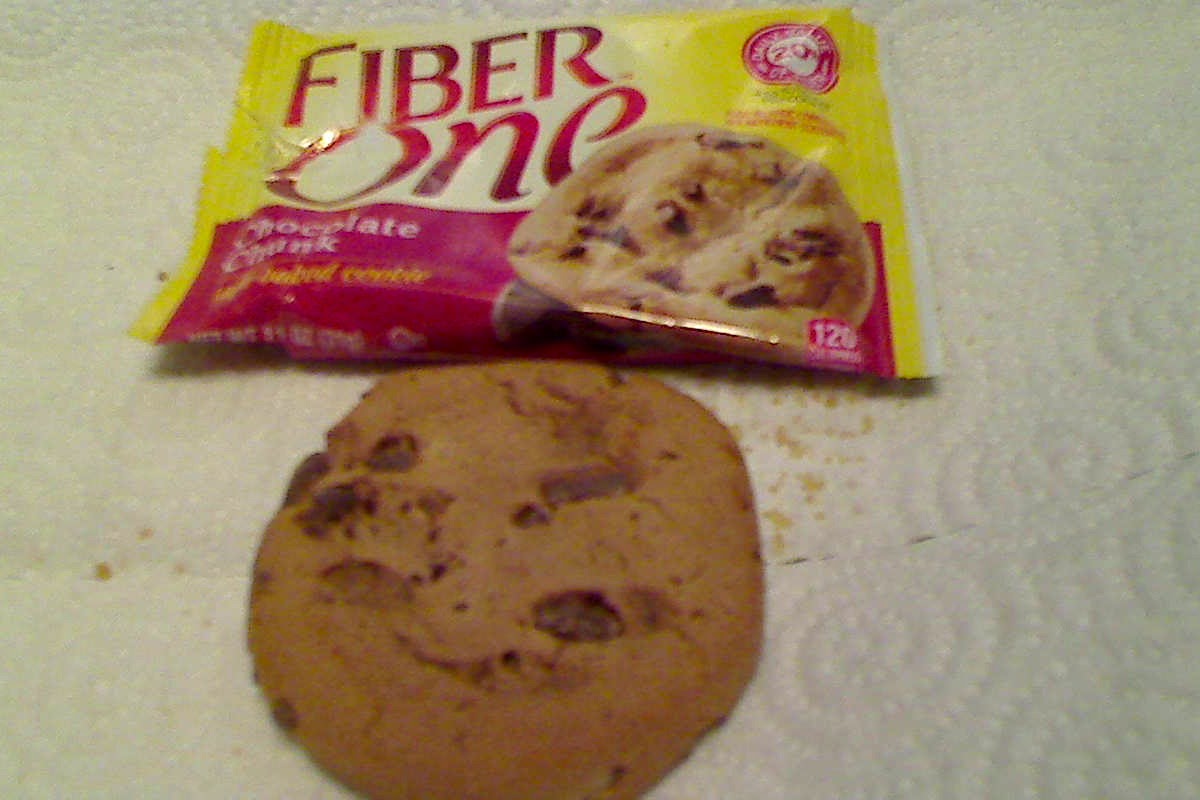
Don't those look like tasty ways to get some fiber? Give them a try, and see for yourself!! :-)
Sunday, October 26, 2014
Big G Retro Monsters Cereals
The fine folks of Platefull and General Mills sent me the following info:
"Monsters Cereals in Special Throwback Packaging, Only Available at Target, are Back!
The Retro Monsters are back! Count Chocula, Boo Berry and Franken Berry cereals are once again hitting the shelves at Target in their retro packaging and they’ve brought Monsters snack items for you to enjoy as well. Try Count Chocula Treats, Boo Berry Fruit Roll-Ups and Franken Berry Fruit Roll-Ups in special retro packaging, found exclusively at Target.
Perfect for nostalgic cereal fans and Halloween lovers, Monsters cereals and snacks are fun for the whole family."
"Great for breakfast and snack time, try combining melted marshmallow with your favorite Mosters cereal to create your own ghoulishly tasty treats. Looking for an instant Halloween costume! Monsters cereals in special throwback packaging, only available at Target, include a cutout mask for quick dress-ups. Monsters snacks are also perfect as Halloween party munchies and for rewarding trick-or-treaters."
They also sent me:
One (1) box Count Chocula Treat
One (1) Frankenberry Fruit Roll-Ups
One (1) Boo Berry Fruit Roll-Ups
One (1) box each of Count Chocula, Boo Berry and Frankenberry Cereals
Yup, those same cereals that we loved as kids are back in the old familiar boxes!! They still taste as great as ever, and they score big on nostalgia points. The Count Chocula Treats and Fruit Roll-Ups are also very tasty, and worthy additions to the family. Here are a couple of photos:


I'm sure you have memories like I do, of watching Saturday morning cartoons and eating these cereals; it was the best part of the week!! Now, you can pass that same fun along to your kids, and binge on nostalgia by joining them in dipping into those old familiar boxes. And then you can eat the new treats in the afternoon!! This is the perfect time of the year to enjoy Monsters throughout the day!! :-)
"Monsters Cereals in Special Throwback Packaging, Only Available at Target, are Back!
The Retro Monsters are back! Count Chocula, Boo Berry and Franken Berry cereals are once again hitting the shelves at Target in their retro packaging and they’ve brought Monsters snack items for you to enjoy as well. Try Count Chocula Treats, Boo Berry Fruit Roll-Ups and Franken Berry Fruit Roll-Ups in special retro packaging, found exclusively at Target.
Perfect for nostalgic cereal fans and Halloween lovers, Monsters cereals and snacks are fun for the whole family."
"Great for breakfast and snack time, try combining melted marshmallow with your favorite Mosters cereal to create your own ghoulishly tasty treats. Looking for an instant Halloween costume! Monsters cereals in special throwback packaging, only available at Target, include a cutout mask for quick dress-ups. Monsters snacks are also perfect as Halloween party munchies and for rewarding trick-or-treaters."
They also sent me:
One (1) box Count Chocula Treat
One (1) Frankenberry Fruit Roll-Ups
One (1) Boo Berry Fruit Roll-Ups
One (1) box each of Count Chocula, Boo Berry and Frankenberry Cereals
Yup, those same cereals that we loved as kids are back in the old familiar boxes!! They still taste as great as ever, and they score big on nostalgia points. The Count Chocula Treats and Fruit Roll-Ups are also very tasty, and worthy additions to the family. Here are a couple of photos:


I'm sure you have memories like I do, of watching Saturday morning cartoons and eating these cereals; it was the best part of the week!! Now, you can pass that same fun along to your kids, and binge on nostalgia by joining them in dipping into those old familiar boxes. And then you can eat the new treats in the afternoon!! This is the perfect time of the year to enjoy Monsters throughout the day!! :-)
Sunday, August 10, 2014
And the winner is...
The winner of the coupons for FREE Dial Coconut Water Refreshing Mango body wash is... Judy T!! Stay tuned for more giveaways!! :-)
Friday, August 08, 2014
Dial Coconut Water Refreshing Mango body wash
The fine folks at Dial and Purex sent me this product to try. Here's what the website says:
"Product Information
Treat your skin to twice the tropical refreshment with every shower. The rich lather of this body wash is infused with coconut water, known to be rich in hydrating antioxidants and electrolytes. While the scent of juicy, ripe mango leaves skin feeling fresh, clean and delectably fragrant."
http://www.dialsoap.com/products/coconut-water-mango-ultra-fresh-hydrating-body-wash
And here's what *I* say:
I have no idea what mango smells like, so I can't comment on the authenticity of the scent, but to me it has a very nice fragrance of coconut with a fruity accent; a rich, tropical smell that would not be amiss for a more expensive brand. My family has used Dial since the dawn of time; when my mother died, she had a bottle of Dial liquid soap by her kitchen sink. She would've loved this stuff, because of the scent and because it is a moisturizing and nourishing body wash, which is what she and I have always preferred for our dry skin. Because the scent is not overpowering, my husband is ok with using it too; men don't want to smell girly outside of the shower, but they enjoy a nice fragrance IN the shower, whether they admit it or not, and he likes this one just fine. The bottle shape is another +, because it allows for a more secure grip under slippery circumstances, and looks a little more modern. I'd call this one a winner; it's the best new skin care product I've tried in a while.
Are you ready to try it? It's in stores now... and one of you can try it FREE!! Tell me why you need a new body wash, and I'll pick someone to win coupons for FREE product. I'll announce a winner at the end of the weekend.
"Product Information
Treat your skin to twice the tropical refreshment with every shower. The rich lather of this body wash is infused with coconut water, known to be rich in hydrating antioxidants and electrolytes. While the scent of juicy, ripe mango leaves skin feeling fresh, clean and delectably fragrant."
http://www.dialsoap.com/products/coconut-water-mango-ultra-fresh-hydrating-body-wash
And here's what *I* say:
I have no idea what mango smells like, so I can't comment on the authenticity of the scent, but to me it has a very nice fragrance of coconut with a fruity accent; a rich, tropical smell that would not be amiss for a more expensive brand. My family has used Dial since the dawn of time; when my mother died, she had a bottle of Dial liquid soap by her kitchen sink. She would've loved this stuff, because of the scent and because it is a moisturizing and nourishing body wash, which is what she and I have always preferred for our dry skin. Because the scent is not overpowering, my husband is ok with using it too; men don't want to smell girly outside of the shower, but they enjoy a nice fragrance IN the shower, whether they admit it or not, and he likes this one just fine. The bottle shape is another +, because it allows for a more secure grip under slippery circumstances, and looks a little more modern. I'd call this one a winner; it's the best new skin care product I've tried in a while.
Are you ready to try it? It's in stores now... and one of you can try it FREE!! Tell me why you need a new body wash, and I'll pick someone to win coupons for FREE product. I'll announce a winner at the end of the weekend.
Monday, May 26, 2014
Old El Paso Frozen entrees for two
“Disclosure: The information and prize pack have been provided by Old El Paso® through Platefull Co-Op.”
"Celebrate Cinco de Mayo all month long with delicious, handcrafted meals for two from Old El Paso - now available in the frozen aisle!
You can now find premium, handcrafted, Old El Paso Frozen entrees for two in the freezer aisle of your local grocery store. With eight different flavors of fajitas, enchiladas, quesadillas and burritos, these entrees are sure to fulfill your dinner needs."
General Mills sent me these fab goodies:
Two (2) margarita glasses
One (1) Pitcher
One (1) Chip & Dip Platter
6 VIP coupons, each good for one Old El Paso Frozen Entrée
We're longtime fans of Old El Paso in the Omni household, and the frozen entrées make it incredibly fast and easy to have a tasty Mexican meal. My absolute favorites are the shredded beef enchiladas, and here is a picture of how I ate them last night, with some grated pepper jack cheese on top:

http://oldelpaso.com/products/Shredded-Beef-Enchiladas/3c15f7ac-0039-4f1f-85ba-6a56b39c2d4e
If you love Mexican food, like I do, but don't know how to cook it yourself, like I don't, you should give these entrées or try. You can check out what's up with Old El Paso here:
·Old El Paso® website - http://www.oldelpaso.com/
·Old El Paso® Facebook - https://www.facebook.com/oldelpaso
"Celebrate Cinco de Mayo all month long with delicious, handcrafted meals for two from Old El Paso - now available in the frozen aisle!
You can now find premium, handcrafted, Old El Paso Frozen entrees for two in the freezer aisle of your local grocery store. With eight different flavors of fajitas, enchiladas, quesadillas and burritos, these entrees are sure to fulfill your dinner needs."
General Mills sent me these fab goodies:
Two (2) margarita glasses
One (1) Pitcher
One (1) Chip & Dip Platter
6 VIP coupons, each good for one Old El Paso Frozen Entrée
We're longtime fans of Old El Paso in the Omni household, and the frozen entrées make it incredibly fast and easy to have a tasty Mexican meal. My absolute favorites are the shredded beef enchiladas, and here is a picture of how I ate them last night, with some grated pepper jack cheese on top:

http://oldelpaso.com/products/Shredded-Beef-Enchiladas/3c15f7ac-0039-4f1f-85ba-6a56b39c2d4e
If you love Mexican food, like I do, but don't know how to cook it yourself, like I don't, you should give these entrées or try. You can check out what's up with Old El Paso here:
·Old El Paso® website - http://www.oldelpaso.com/
·Old El Paso® Facebook - https://www.facebook.com/oldelpaso
Sunday, May 18, 2014
New Nature Valley Products at Target!
Disclosure: The information and prize pack have been provided by General Mills through Platefull Co-Op.
"Introducing new Nature Valley Protein Granola, Nature Valley Breakfast Biscuits, and Nature Valley Greek Yogurt Protein Bars!
With the goodness you’ve come to expect from Nature Valley, all-new Nature Valley Protein Granola is the perfect way to start your day in a bowl of milk, sprinkled on yogurt or as a quick snack!
Nature Valley Greek Yogurt Protein Bars come in delicious Strawberry or Mixed Berry flavors and packs 10g of protein alongside real fruit and nuts, offering a treat your whole family will enjoy!
And with the sustained energy from +26g of whole grains, new Nature Valley Breakfast Biscuits hit the perfect trifecta: convenient, great tasting and fully satisfying.
Looking for a way to keep your new year’s resolutions while maintaining your on-the-go lifestyle? Then join the fun by blogging about these new Nature Valley products – and find great savings on Nature Valley right now at Target!"
General Mills sent me the following yummy treats: one pouch of Nature Valley Protein Granola, one box of Nature Valley Greek Yogurt Protein Bars, and one box of Nature Valley Breakfast Biscuits.
http://www.naturevalley.com/Snack-Bars/OatsHoneyGranola
http://www.naturevalley.com/Snack-Bars/StrawberryGreekYogurtProteinBar
http://www.naturevalley.com/Snack-Bars/HoneyBreakfast
Here are 2 photos I took:


If you're like me, and you get a lot of your daily whole grain at breakfast, you'll want to give these products a try, because they make it so easy to get whole grains while eating something tasty. The granola gives the benefit of protein, which I have found helps me feel fuller and more satisfied longer. You can connect with Nature Valley here:
Nature Valley® website - http://www.naturevalley.com/
Nature Valley® Facebook - https://www.facebook.com/naturevalley
"Introducing new Nature Valley Protein Granola, Nature Valley Breakfast Biscuits, and Nature Valley Greek Yogurt Protein Bars!
With the goodness you’ve come to expect from Nature Valley, all-new Nature Valley Protein Granola is the perfect way to start your day in a bowl of milk, sprinkled on yogurt or as a quick snack!
Nature Valley Greek Yogurt Protein Bars come in delicious Strawberry or Mixed Berry flavors and packs 10g of protein alongside real fruit and nuts, offering a treat your whole family will enjoy!
And with the sustained energy from +26g of whole grains, new Nature Valley Breakfast Biscuits hit the perfect trifecta: convenient, great tasting and fully satisfying.
Looking for a way to keep your new year’s resolutions while maintaining your on-the-go lifestyle? Then join the fun by blogging about these new Nature Valley products – and find great savings on Nature Valley right now at Target!"
General Mills sent me the following yummy treats: one pouch of Nature Valley Protein Granola, one box of Nature Valley Greek Yogurt Protein Bars, and one box of Nature Valley Breakfast Biscuits.
http://www.naturevalley.com/Snack-Bars/OatsHoneyGranola
http://www.naturevalley.com/Snack-Bars/StrawberryGreekYogurtProteinBar
http://www.naturevalley.com/Snack-Bars/HoneyBreakfast
Here are 2 photos I took:


If you're like me, and you get a lot of your daily whole grain at breakfast, you'll want to give these products a try, because they make it so easy to get whole grains while eating something tasty. The granola gives the benefit of protein, which I have found helps me feel fuller and more satisfied longer. You can connect with Nature Valley here:
Nature Valley® website - http://www.naturevalley.com/
Nature Valley® Facebook - https://www.facebook.com/naturevalley
Monday, May 12, 2014
47th Pillsbury Bake-Off Contest
The fine folks at Platefull sent me the following info:
"Do you know any talented home cooks or bakers? If so, their creativity in the kitchen could land them a spot to compete for $1 million and other prizes in the 47th Pillsbury Bake-Off® Contest!
Original recipes may be submitted online at www.BakeOff.com now through May 8, 2014. The Bake-Off® Kitchens will evaluate all eligible entries and choose the top 100 recipes to compete at the 47th Pillsbury Bake-Off® Contest Finals at the Omni Nashville Hotel on November 3, 2014.
For more information and official rules, please visit www.BakeOff.com!"
They also sent me a nice box of goodies:
•A coupon for Pillsbury® Gluten Free dough
•Pillsbury® Flour
•Reynolds® Parchment Paper, Foil, Baking Cups and Slow Cooker Liners
•Watkins™ Vanilla
•Bake-Off® Recipe Booklet featuring all 100 recipes that competed for the $1 million Grand Prize in last year’s contest
As you can imagine, I've been able to use the goodies to make some really tasty stuff. They have a bunch of terrific recipes on their site here:
http://www.pillsbury.com/our-makers/bake-off-contest/get-inspired
Here are couple of awesome recipes from last year's contest:
Chocolate Peanut Butter Pretzel Bars
Sweet and salty. Pretzels and peanut butter. Make an easy base of sugar cookies for a finger lickin' bar.
prep time 25 min total time 2 hr 35 min ingredients 7 servings 24
Ingredients
1 3/4
cups pretzels, coarsely chopped
1
package Pillsbury® Ready to Bake!™ refrigerated sugar cookies
2
tablespoons Crisco® Baking Sticks Butter Flavor All-Vegetable Shortening
1
can (14 oz) Eagle Brand® Sweetened Condensed Milk
3/4
cup Jif® Creamy Peanut Butter
1/2
cup Jif® Chocolate Flavored Hazelnut Spread
1/4
cup caramel flavored syrup
Steps
1
Heat oven to 350°F. Spray 13x9-inch pan with Crisco® Original No-Stick Cooking Spray. Let cookie dough stand at room temperature 10 minutes to soften.
2
Finely chop* 1 cup of the pretzels; place in large bowl. Add cookie dough and shortening. Beat with electric mixer on low speed until well mixed. Press dough evenly in pan. Bake 14 to 18 minutes or until crust is light golden brown. Remove from oven; cool 10 minutes.
3
Meanwhile, in 2 quart heavy saucepan, heat sweetened condensed milk over medium heat 5 to 8 minutes, stirring constantly until hot and mixture is thin. Remove from heat. Stir in peanut butter and chocolate hazelnut spread until well blended. Spread over baked crust. Sprinkle with remaining 3/4 cup coarsely chopped pretzels. Bake 15 to 20 minutes longer or until edges are golden brown. Cool completely, about 1 1/2 hours. Drizzle with caramel syrup. Cut into 6 rows by 4 rows. Store covered.
*Instead of chopping the pretzels, place pretzels in a large resealable food storage plastic bag. Seal bag; with rolling pin coarsely crush pretzels. Remove 3/4 cup. Seal bag and finely crush remaining pretzels in bag.
Carrot Cupcakes with Coconut Pecan Frosting
What a sweet and tasty way to get your veggies! Mix up seven ingredients in 30 minutes to make easy cupcakes.
prep time 30 min total time 1 hr 30 min ingredients 7 servings 24
Ingredients
1
bag (11.8 oz) Green Giant® Seasoned Steamers™ frozen honey Dijon carrots
1
box (15.25 oz) Pillsbury® Classic Yellow Cake Mix
1/3
cup Crisco® Pure Vegetable Oil
3
eggs
1/2
cup golden raisins
1/4
cup pecans, finely chopped
1
can Pillsbury® Creamy Supreme® Coconut Pecan Frosting
Steps
1
Heat oven to 375°F. Place paper baking cups in each of 24 regular-size muffin cups. Microwave frozen carrots as directed on bag 3 to 4 minutes to thaw. In food processor, place carrots. Cover; process until finely chopped.
2
In large bowl, beat cake mix, oil, eggs and 1 cup water with electric mixer on low speed 30 seconds. Beat on high speed 2 minutes, scraping bowl occasionally, until blended. Fold in carrots, raisins and pecans. Spoon into muffin cups, filling three-fourths full.
3
Bake 23 to 25 minutes or until toothpick inserted in center comes out clean. Cool in pan 5 minutes; remove to cooling rack. Cool completely, about 30 minutes. Spread cupcakes with frosting.
Good luck to everyone who participates this year!! :-)
"Do you know any talented home cooks or bakers? If so, their creativity in the kitchen could land them a spot to compete for $1 million and other prizes in the 47th Pillsbury Bake-Off® Contest!
Original recipes may be submitted online at www.BakeOff.com now through May 8, 2014. The Bake-Off® Kitchens will evaluate all eligible entries and choose the top 100 recipes to compete at the 47th Pillsbury Bake-Off® Contest Finals at the Omni Nashville Hotel on November 3, 2014.
For more information and official rules, please visit www.BakeOff.com!"
They also sent me a nice box of goodies:
•A coupon for Pillsbury® Gluten Free dough
•Pillsbury® Flour
•Reynolds® Parchment Paper, Foil, Baking Cups and Slow Cooker Liners
•Watkins™ Vanilla
•Bake-Off® Recipe Booklet featuring all 100 recipes that competed for the $1 million Grand Prize in last year’s contest
As you can imagine, I've been able to use the goodies to make some really tasty stuff. They have a bunch of terrific recipes on their site here:
http://www.pillsbury.com/our-makers/bake-off-contest/get-inspired
Here are couple of awesome recipes from last year's contest:
Chocolate Peanut Butter Pretzel Bars
Sweet and salty. Pretzels and peanut butter. Make an easy base of sugar cookies for a finger lickin' bar.
prep time 25 min total time 2 hr 35 min ingredients 7 servings 24
Ingredients
1 3/4
cups pretzels, coarsely chopped
1
package Pillsbury® Ready to Bake!™ refrigerated sugar cookies
2
tablespoons Crisco® Baking Sticks Butter Flavor All-Vegetable Shortening
1
can (14 oz) Eagle Brand® Sweetened Condensed Milk
3/4
cup Jif® Creamy Peanut Butter
1/2
cup Jif® Chocolate Flavored Hazelnut Spread
1/4
cup caramel flavored syrup
Steps
1
Heat oven to 350°F. Spray 13x9-inch pan with Crisco® Original No-Stick Cooking Spray. Let cookie dough stand at room temperature 10 minutes to soften.
2
Finely chop* 1 cup of the pretzels; place in large bowl. Add cookie dough and shortening. Beat with electric mixer on low speed until well mixed. Press dough evenly in pan. Bake 14 to 18 minutes or until crust is light golden brown. Remove from oven; cool 10 minutes.
3
Meanwhile, in 2 quart heavy saucepan, heat sweetened condensed milk over medium heat 5 to 8 minutes, stirring constantly until hot and mixture is thin. Remove from heat. Stir in peanut butter and chocolate hazelnut spread until well blended. Spread over baked crust. Sprinkle with remaining 3/4 cup coarsely chopped pretzels. Bake 15 to 20 minutes longer or until edges are golden brown. Cool completely, about 1 1/2 hours. Drizzle with caramel syrup. Cut into 6 rows by 4 rows. Store covered.
*Instead of chopping the pretzels, place pretzels in a large resealable food storage plastic bag. Seal bag; with rolling pin coarsely crush pretzels. Remove 3/4 cup. Seal bag and finely crush remaining pretzels in bag.
Carrot Cupcakes with Coconut Pecan Frosting
What a sweet and tasty way to get your veggies! Mix up seven ingredients in 30 minutes to make easy cupcakes.
prep time 30 min total time 1 hr 30 min ingredients 7 servings 24
Ingredients
1
bag (11.8 oz) Green Giant® Seasoned Steamers™ frozen honey Dijon carrots
1
box (15.25 oz) Pillsbury® Classic Yellow Cake Mix
1/3
cup Crisco® Pure Vegetable Oil
3
eggs
1/2
cup golden raisins
1/4
cup pecans, finely chopped
1
can Pillsbury® Creamy Supreme® Coconut Pecan Frosting
Steps
1
Heat oven to 375°F. Place paper baking cups in each of 24 regular-size muffin cups. Microwave frozen carrots as directed on bag 3 to 4 minutes to thaw. In food processor, place carrots. Cover; process until finely chopped.
2
In large bowl, beat cake mix, oil, eggs and 1 cup water with electric mixer on low speed 30 seconds. Beat on high speed 2 minutes, scraping bowl occasionally, until blended. Fold in carrots, raisins and pecans. Spoon into muffin cups, filling three-fourths full.
3
Bake 23 to 25 minutes or until toothpick inserted in center comes out clean. Cool in pan 5 minutes; remove to cooling rack. Cool completely, about 30 minutes. Spread cupcakes with frosting.
Good luck to everyone who participates this year!! :-)
Wednesday, May 07, 2014
New Fiber One Caramel Sea Salt 90 Calorie Snack Bars - Only at Target
“Disclosure: The information and samples have been provided by General Mills through Platefull Co-Op.”
Here's what they have to say about them:
"Fiber One 90 Calorie Caramel Sea Salt Bars give you a delicious way to indulge without the guilt! Satisfyingly sweet and savory, these bars are a flavorful snack to feel good about!"
NEW 90 Calorie Caramel Sea Salt Bar
"Limited Time Only: Satisfyingly sweet AND savory, these bars are a flavorful snack to feel good about. Enjoy while you can! This exclusive Caramel Sea Salt flavor is only available for a limited time at Target stores, arriving March 2014.
- 20% daily value of fiber*
- 5 Grams of fiber per serving"
Fiber One® website - http://www.fiberone.com/
Fiber One® Facebook - https://www.facebook.com/fiberone
And here's what *I* say: I've got to give the folks at Fiber One credit; if I had not read it on the box, I would not have known that I was eating a product with any fiber in it. The bars had a nice moistness and chewy texture to them, and are pretty tasty. They were fairly sweet, but they didn't really taste like caramel to me, and I honestly could not taste any salt at all; I added my own salt, and that made them even better. The one thing that's a little bit of a bummer is how tiny the bars are. Here's what the bars look like:

Yes, that's a postage stamp on the bar to show you the size. You don't get too much for the 90 calories, but, after all, these are not diet bars, they are fiber bars, and I'm guessing it's just not possible to put fiber in a soft, moist bar and make it low-cal too. Anyways, if you need more fiber, and you know you do, and you enjoy a sweet snack, they're definitely worth a try.
.
Here's what they have to say about them:
"Fiber One 90 Calorie Caramel Sea Salt Bars give you a delicious way to indulge without the guilt! Satisfyingly sweet and savory, these bars are a flavorful snack to feel good about!"
NEW 90 Calorie Caramel Sea Salt Bar
"Limited Time Only: Satisfyingly sweet AND savory, these bars are a flavorful snack to feel good about. Enjoy while you can! This exclusive Caramel Sea Salt flavor is only available for a limited time at Target stores, arriving March 2014.
- 20% daily value of fiber*
- 5 Grams of fiber per serving"
Fiber One® website - http://www.fiberone.com/
Fiber One® Facebook - https://www.facebook.com/fiberone
And here's what *I* say: I've got to give the folks at Fiber One credit; if I had not read it on the box, I would not have known that I was eating a product with any fiber in it. The bars had a nice moistness and chewy texture to them, and are pretty tasty. They were fairly sweet, but they didn't really taste like caramel to me, and I honestly could not taste any salt at all; I added my own salt, and that made them even better. The one thing that's a little bit of a bummer is how tiny the bars are. Here's what the bars look like:

Yes, that's a postage stamp on the bar to show you the size. You don't get too much for the 90 calories, but, after all, these are not diet bars, they are fiber bars, and I'm guessing it's just not possible to put fiber in a soft, moist bar and make it low-cal too. Anyways, if you need more fiber, and you know you do, and you enjoy a sweet snack, they're definitely worth a try.
.
Sunday, March 02, 2014
Old El Paso Frozen Entrees
Disclosure: The information and prize pack have been provided by Old El Paso® through Platefull Co-Op.
If you love Mexican food as much as I do, and you probably do since more Americans like Mexican food than American food (which I guess would be hotdogs and bologna sandwiches?), you'll be happy to know that Old El Paso has a line of tasty frozen entrées that provide exactly what you would want and expect from Old El Paso; Mexican classics with the familiar flavors that everyone in the family likes. Here's what they said about them:
"Old El Paso Frozen Entrees - No Way That's Frozen!
Delicious, handcrafted meals for two from Old El Paso - now available in the frozen aisle!
You can now find premium, handcrafted, Old El Paso Frozen entrees for two in the freezer aisle of your local grocery store. With eight different flavors of fajitas, enchiladas, quesadillas and burritos, these entrees are sure to fulfill your dinner needs."
And here's what *I* say about them: They're good. These are not fancy gourmet items where you don't even know what half of the stuff in there is, you look at it and you don't recognize it and you're not sure you want to eat it. These are your basic meat, cheese, sauce and tortilla combos that are completely risk-free to serve; there's nothing in them that your kids will look at and go,"EW, what's THAT?!!" Here are the available varieties:
Chicken Burritos
Chicken Quesadillas
Chicken Enchiladas
Chicken Fajitas
Shredded Fajitas
Shredded Beef Burritos
Shredded Beef Enchiladas
Steak Quesadillas
The awesome gift pack that General Mills sent contained:
Two (2) margarita glasses
Two (2) dinner plates
Set of two (2) mini tongs
One (1) serving dish
4 VIP coupons, each good for one Old El Paso Frozen Entrée
I haven't figured out how to get the enchiladas out of the container without them falling apart, so I wasn't able to get a very glamorous photo of my real-life usage, but here's the best picture I got, of the beef enchiladas on one of the colorful plates that came in my gift pack:



You can connect with Old El Paso here:
http://www.oldelpaso.com
https://www.facebook.com/oldelpaso
If you love Mexican food as much as I do, and you probably do since more Americans like Mexican food than American food (which I guess would be hotdogs and bologna sandwiches?), you'll be happy to know that Old El Paso has a line of tasty frozen entrées that provide exactly what you would want and expect from Old El Paso; Mexican classics with the familiar flavors that everyone in the family likes. Here's what they said about them:
"Old El Paso Frozen Entrees - No Way That's Frozen!
Delicious, handcrafted meals for two from Old El Paso - now available in the frozen aisle!
You can now find premium, handcrafted, Old El Paso Frozen entrees for two in the freezer aisle of your local grocery store. With eight different flavors of fajitas, enchiladas, quesadillas and burritos, these entrees are sure to fulfill your dinner needs."
And here's what *I* say about them: They're good. These are not fancy gourmet items where you don't even know what half of the stuff in there is, you look at it and you don't recognize it and you're not sure you want to eat it. These are your basic meat, cheese, sauce and tortilla combos that are completely risk-free to serve; there's nothing in them that your kids will look at and go,"EW, what's THAT?!!" Here are the available varieties:
Chicken Burritos
Chicken Quesadillas
Chicken Enchiladas
Chicken Fajitas
Shredded Fajitas
Shredded Beef Burritos
Shredded Beef Enchiladas
Steak Quesadillas
The awesome gift pack that General Mills sent contained:
Two (2) margarita glasses
Two (2) dinner plates
Set of two (2) mini tongs
One (1) serving dish
4 VIP coupons, each good for one Old El Paso Frozen Entrée
I haven't figured out how to get the enchiladas out of the container without them falling apart, so I wasn't able to get a very glamorous photo of my real-life usage, but here's the best picture I got, of the beef enchiladas on one of the colorful plates that came in my gift pack:

You can connect with Old El Paso here:
http://www.oldelpaso.com
https://www.facebook.com/oldelpaso
Sunday, February 23, 2014
Target Breakfast Twist
Disclosure: The information and prize pack have been provided by General Mills through Platefull Co-Op.
The Target Breakfast Twist is:
"We all know that breakfast is an important start to your family’s day, but all too often, it’s rushed, hectic, and…monotonous. So what can be done to make breakfast a little more delightful and fun?
We’re looking for your surprising twists on breakfast using favorite items that start your family’s day off with a smile!"
This is the prize pack they sent me:
•1 pouch Nature Valley® Protein Granola
•1 box Nature Valley® Granola Bars
•1 box Honey Nut Cheerios® Medley Crunch™ cereal
•1 box Trix® cereal
•1 package Quaker® Oats
•1 jar Jif® peanut butter
•1 package Nutella® mini cups
•1 pouch Grandma Hoerner’s® Big Slice™ apples snack
Needless to say, we have been really enjoying all of these goodies; I probably shouldn't admit this, but my favorite is the Trix, because that was my favorite cereal when I was a kid. I had never had protein granola before, and I thought it was really good, and an easy way to get more protein in the morning, which I find helps me feel full longer. Doing something different and fancier for breakfast is a cool idea; if you're like me, however, you don't have time to be chopping up fruit, cooking, or putting a bunch of pieces of things together to accomplish this… that kind of limits the options. Now, if they were going to send a chef over to my home half an hour before our alarms blast us out of bed to put these things together for us, that would be great, but we don't have time to butter a piece of toast, much less spend 10 minutes putting 50 things on a bagel. Other than pouring oatmeal onto cereal, or cereal onto oatmeal, both of which would be gross, all we could come up with for breakfast-type combinations of the foods they sent us was to dip granola bars into something, and here are my exciting photos of that:


If you have a great deal of time and energy in the morning, you can find a bunch of cool breakfast recipe ideas here:
http://www.target.com/r/breakfasttwist-recipes


The Target Breakfast Twist is:
"We all know that breakfast is an important start to your family’s day, but all too often, it’s rushed, hectic, and…monotonous. So what can be done to make breakfast a little more delightful and fun?
We’re looking for your surprising twists on breakfast using favorite items that start your family’s day off with a smile!"
This is the prize pack they sent me:
•1 pouch Nature Valley® Protein Granola
•1 box Nature Valley® Granola Bars
•1 box Honey Nut Cheerios® Medley Crunch™ cereal
•1 box Trix® cereal
•1 package Quaker® Oats
•1 jar Jif® peanut butter
•1 package Nutella® mini cups
•1 pouch Grandma Hoerner’s® Big Slice™ apples snack
Needless to say, we have been really enjoying all of these goodies; I probably shouldn't admit this, but my favorite is the Trix, because that was my favorite cereal when I was a kid. I had never had protein granola before, and I thought it was really good, and an easy way to get more protein in the morning, which I find helps me feel full longer. Doing something different and fancier for breakfast is a cool idea; if you're like me, however, you don't have time to be chopping up fruit, cooking, or putting a bunch of pieces of things together to accomplish this… that kind of limits the options. Now, if they were going to send a chef over to my home half an hour before our alarms blast us out of bed to put these things together for us, that would be great, but we don't have time to butter a piece of toast, much less spend 10 minutes putting 50 things on a bagel. Other than pouring oatmeal onto cereal, or cereal onto oatmeal, both of which would be gross, all we could come up with for breakfast-type combinations of the foods they sent us was to dip granola bars into something, and here are my exciting photos of that:


If you have a great deal of time and energy in the morning, you can find a bunch of cool breakfast recipe ideas here:
http://www.target.com/r/breakfasttwist-recipes
Sunday, February 16, 2014
Fiber One Fruit Flavored Snacks
“Disclosure: The information and prize pack have been provided by General Mills through Platefull Co-Op.”
"Introducing NEW Fiber One Fruit Flavored Snacks -- a delicious treat with the added benefit of fiber!
Whether you’re looking for a guilt-free #SweetTreat to help get you through the day or you want something you can feel better about giving the kiddos – these will hit the spot!
One pouch has 3 grams of fiber, 70 calories, 0 grams of fat, and 100% daily value Vitamin C – a better-for-you snack you can take on the go."
They sent me 2 boxes, and there was joy in the Omni household. I love a good fruit snack as much as the next person, and my husband REALLY loves gummies. These have attractive fruit shapes, nice colors, and good flavor. You can't tell that there's any fiber in there, but it's in there... and if you're like me, you're always glad to get a little more fiber. The vitamin C is a nice bonus. Here's little family story: My mother was way ahead of the curve in giving me vitamins every day when I was a kid, and apparently was questioned by other parents as to why she was giving them to me year-round, not just in the winter (some folks used to think that they would help fend off colds). Her response was that a child's nutritional needs were the same year-round, and thus I got the vitamins year-round. I had chewable Vitamin C's, too, once they became available; my mother was a big believer in C. We all take vitamins here, and getting extra in food is a +; being able to give a kid a treat where they get so much Vitamin C is fab. (Keep giving your kids their vitamins, of course-a snack is not a substitute!!) If your kids resist anything with nutritional value, put the gummies in little baggies so they think they're just having sweets... and hide some for yourself, too!!
Here are some pics. The little one is one I took to try to show the size of the little packs; about 9 gummies are in each bag, which helps with portion control:


Here are the links where you can check them out:
http://fiberone.com/products/fruit-flavored-snacks/assorted-fruit
http://fiberone.com/products/fruit-flavored-snacks/mixed-berry
Fiber One® website - http://www.fiberone.com/
Fiber One® Facebook - https://www.facebook.com/fiberone
You can buy them, and many other goodies, at Target. :-)
"Introducing NEW Fiber One Fruit Flavored Snacks -- a delicious treat with the added benefit of fiber!
Whether you’re looking for a guilt-free #SweetTreat to help get you through the day or you want something you can feel better about giving the kiddos – these will hit the spot!
One pouch has 3 grams of fiber, 70 calories, 0 grams of fat, and 100% daily value Vitamin C – a better-for-you snack you can take on the go."
They sent me 2 boxes, and there was joy in the Omni household. I love a good fruit snack as much as the next person, and my husband REALLY loves gummies. These have attractive fruit shapes, nice colors, and good flavor. You can't tell that there's any fiber in there, but it's in there... and if you're like me, you're always glad to get a little more fiber. The vitamin C is a nice bonus. Here's little family story: My mother was way ahead of the curve in giving me vitamins every day when I was a kid, and apparently was questioned by other parents as to why she was giving them to me year-round, not just in the winter (some folks used to think that they would help fend off colds). Her response was that a child's nutritional needs were the same year-round, and thus I got the vitamins year-round. I had chewable Vitamin C's, too, once they became available; my mother was a big believer in C. We all take vitamins here, and getting extra in food is a +; being able to give a kid a treat where they get so much Vitamin C is fab. (Keep giving your kids their vitamins, of course-a snack is not a substitute!!) If your kids resist anything with nutritional value, put the gummies in little baggies so they think they're just having sweets... and hide some for yourself, too!!
Here are some pics. The little one is one I took to try to show the size of the little packs; about 9 gummies are in each bag, which helps with portion control:

Here are the links where you can check them out:
http://fiberone.com/products/fruit-flavored-snacks/assorted-fruit
http://fiberone.com/products/fruit-flavored-snacks/mixed-berry
Fiber One® website - http://www.fiberone.com/
Fiber One® Facebook - https://www.facebook.com/fiberone
You can buy them, and many other goodies, at Target. :-)
Monday, January 13, 2014
Cheerios Family Breakfast Project
From the fine folks at Cheerios/General Mills and Platefull Co-Op comes the following info:
"Cheerios believes that when families connect over breakfast, amazing things can happen... the Family Dinner Project, a grass roots movement whose mission is to help families everywhere access the benefits that come from connecting over a meaningful family meal.
As part of the Family Breakfast Project, Cheerios will be encouraging families to take seven minutes for seven days to have family breakfast and explore the possibilities that brings. After all, breakfast is the meal of shared possibilities. "
Visit the Family Breakfast Project here:
cheerios.com/family-breakfast-project
The guide is here:
"Breakfast is more than a meal -
it’s a chance to connect with your family at the beginning of the day.
We created this guide to give you one week of ideas that will help make that time easier, more fun, and more meaningful. Don’t feel pressure to follow the guide closely. Just take the ideas and tips you like and try them out!"
""MEET THE FAMILY DINNER PROJECT
At The Family Dinner Project, we’ve traveled the country
talking with parents about the importance of mealtime in helping families stay connected — and about its many physical, academic and emotional benefits for children. When Cheerios reached out in support of our mission to connect families through food, fun and conversation about things that matter, we were thrilled.
Breakfast is the perfect way to start the day together - looking forward, planning and dreaming about what the day might bring. A chance to love and support each other before we head out into the world.
That’s why we created the Family Breakfast Project together. It’s a way to help you get creative about your morning - to make it easier, more fun and meaningful. It’s also part of a movement of families and communities across the country who are committed to getting more out of their time together.
We know mornings can be hectic, but start with just seven minutes for seven days and see what healthy habits become part of your life forever."
http://www.cheerios.com/~/media/Files/PDF/7Day_Guide.ashx
They sent me a box of Cheerios, a Cheerios breakfast bowl, and a Family Breakfast Project T-shirt; I particularly like the bowl, and refuse to let anyone else use it. Everyone was happy to have the Cheerios; we're a Cheerios family for several generations. (My mother used to have Cheerios for breakfast every single day. Her favorite flavor was Honey Nut.) Doing all this talking and activities first thing in the morning when everyone is exhausted, stressed, cranky, and scrambling around in a mad panic to get out of the house, though… I don't know if ANY family has had that kind of time and energy in the morning since 1959, but mine has certainly not, LOL. Things are better on the weekends, but then everyone gets up at a different time and wants to eat and get going on their day; no one wants to be held at the table at gunpoint to learn about a new fruit or answer the third degree about what they think or how they feel. If my family is going to spend time together without it being a negative thing with everyone being forced to do something they don't want to do and making sure I know it, it's going to have to be related to a DVD and junk food; it's just not going to happen at breakfast time.
If YOUR family is a little more flexible, and a little less frenzied in the morning, by all means give these ideas a try; having more meaningful communication with our children first thing in the morning is a very nice idea, and probably something that we as Americans should do more often as part of actually raising our children rather than treating them like little adults just because they know more about our tech gadgets than we do. And, of course, make sure they're eating something decent for breakfast; Cheerios are a great way to be sure they start the day with some nutrition and not too much sugar.
“Disclosure: The information and prize pack have been provided by General Mills through Platefull Co-Op.”
·Cheerios® website - http://www.cheerios.com/
·Cheerios® Facebook - http://www.facebook.com/Cheerios
"Cheerios believes that when families connect over breakfast, amazing things can happen... the Family Dinner Project, a grass roots movement whose mission is to help families everywhere access the benefits that come from connecting over a meaningful family meal.
As part of the Family Breakfast Project, Cheerios will be encouraging families to take seven minutes for seven days to have family breakfast and explore the possibilities that brings. After all, breakfast is the meal of shared possibilities. "
Visit the Family Breakfast Project here:
cheerios.com/family-breakfast-project
The guide is here:
"Breakfast is more than a meal -
it’s a chance to connect with your family at the beginning of the day.
We created this guide to give you one week of ideas that will help make that time easier, more fun, and more meaningful. Don’t feel pressure to follow the guide closely. Just take the ideas and tips you like and try them out!"
""MEET THE FAMILY DINNER PROJECT
At The Family Dinner Project, we’ve traveled the country
talking with parents about the importance of mealtime in helping families stay connected — and about its many physical, academic and emotional benefits for children. When Cheerios reached out in support of our mission to connect families through food, fun and conversation about things that matter, we were thrilled.
Breakfast is the perfect way to start the day together - looking forward, planning and dreaming about what the day might bring. A chance to love and support each other before we head out into the world.
That’s why we created the Family Breakfast Project together. It’s a way to help you get creative about your morning - to make it easier, more fun and meaningful. It’s also part of a movement of families and communities across the country who are committed to getting more out of their time together.
We know mornings can be hectic, but start with just seven minutes for seven days and see what healthy habits become part of your life forever."
http://www.cheerios.com/~/media/Files/PDF/7Day_Guide.ashx
They sent me a box of Cheerios, a Cheerios breakfast bowl, and a Family Breakfast Project T-shirt; I particularly like the bowl, and refuse to let anyone else use it. Everyone was happy to have the Cheerios; we're a Cheerios family for several generations. (My mother used to have Cheerios for breakfast every single day. Her favorite flavor was Honey Nut.) Doing all this talking and activities first thing in the morning when everyone is exhausted, stressed, cranky, and scrambling around in a mad panic to get out of the house, though… I don't know if ANY family has had that kind of time and energy in the morning since 1959, but mine has certainly not, LOL. Things are better on the weekends, but then everyone gets up at a different time and wants to eat and get going on their day; no one wants to be held at the table at gunpoint to learn about a new fruit or answer the third degree about what they think or how they feel. If my family is going to spend time together without it being a negative thing with everyone being forced to do something they don't want to do and making sure I know it, it's going to have to be related to a DVD and junk food; it's just not going to happen at breakfast time.
If YOUR family is a little more flexible, and a little less frenzied in the morning, by all means give these ideas a try; having more meaningful communication with our children first thing in the morning is a very nice idea, and probably something that we as Americans should do more often as part of actually raising our children rather than treating them like little adults just because they know more about our tech gadgets than we do. And, of course, make sure they're eating something decent for breakfast; Cheerios are a great way to be sure they start the day with some nutrition and not too much sugar.
“Disclosure: The information and prize pack have been provided by General Mills through Platefull Co-Op.”
·Cheerios® website - http://www.cheerios.com/
·Cheerios® Facebook - http://www.facebook.com/Cheerios
Thursday, December 19, 2013
And the winner is...
The winner of the CleanSmart Alcohol Free Hand Sanitizer is... Lupe G!! Stay tuned for more goodies!! :-)
Sunday, December 15, 2013
CleanSmart Alcohol Free Hand Sanitizer
The fine folks at Bolin Marketing sent me the following info:
"Breaking news in the war on germs!
If you could sanitize your hands with a product just as effective as what you use now, but without the skin drying side effects of alcohol, why wouldn’t you? CleanSmart is a breakthrough hand sanitizer that kills 99.9% of germs without drying your hands. It contains the same ingredient your body has always uses to fight germs – hypochlorous acid. With simple and natural ingredients, CleanSmart replicates hypochlorous acid so you don’t need to use harsh chemicals to stay healthy this cold and flu season. Combat the germ season with a breakthrough product that’s alcohol-free, hypoallergenic, and no fragrance has been added.
This product is a must-have for people who need to sanitize their hands frequently.
CleanSmart has been through rigorous government testing and is a proven germ killer. Plus it’s Dermatologist and Pediatrician approved safe for the whole family."
www.cleansmarthome.com
They also sent me both the spray and gel versions to try. I haven't gotten sick while I've been using it, and everybody's crawling with germs this time of year, so it seems to work fine so far... although I have no way to judge if it works as well as an alcohol-based product would. I demand more than functionality in a product, though... and CleanSmart fails that test. When a product says something like "no fragrance has been added," it often means "yucky chemical smell," and this product qualifies for that label. While there are probably plenty of men who would not care if their hands smell like a medicine cabinet, *I* don't like it. Even worse, both the spray version and the "gel," which is just a slightly thicker liquid, are tricky to use; they're very thin and runny, and it's harder to coat hands with them than with a regular gel. It does not dry out my hands, but it does leave them somewhat sticky.
I think that this brand has promise. If they add some fragrance to the product, and put it in a wipe so it's faster and easier to use, with less wastage, I would consider trying it again. One of you can try it right now; email me with a few sentences about why you need to sanitize your hands, and I'll pick one to win a FREE set of CleanSmart products. I'll post the winner in a few days.
"Breaking news in the war on germs!
If you could sanitize your hands with a product just as effective as what you use now, but without the skin drying side effects of alcohol, why wouldn’t you? CleanSmart is a breakthrough hand sanitizer that kills 99.9% of germs without drying your hands. It contains the same ingredient your body has always uses to fight germs – hypochlorous acid. With simple and natural ingredients, CleanSmart replicates hypochlorous acid so you don’t need to use harsh chemicals to stay healthy this cold and flu season. Combat the germ season with a breakthrough product that’s alcohol-free, hypoallergenic, and no fragrance has been added.
This product is a must-have for people who need to sanitize their hands frequently.
CleanSmart has been through rigorous government testing and is a proven germ killer. Plus it’s Dermatologist and Pediatrician approved safe for the whole family."
www.cleansmarthome.com
They also sent me both the spray and gel versions to try. I haven't gotten sick while I've been using it, and everybody's crawling with germs this time of year, so it seems to work fine so far... although I have no way to judge if it works as well as an alcohol-based product would. I demand more than functionality in a product, though... and CleanSmart fails that test. When a product says something like "no fragrance has been added," it often means "yucky chemical smell," and this product qualifies for that label. While there are probably plenty of men who would not care if their hands smell like a medicine cabinet, *I* don't like it. Even worse, both the spray version and the "gel," which is just a slightly thicker liquid, are tricky to use; they're very thin and runny, and it's harder to coat hands with them than with a regular gel. It does not dry out my hands, but it does leave them somewhat sticky.
I think that this brand has promise. If they add some fragrance to the product, and put it in a wipe so it's faster and easier to use, with less wastage, I would consider trying it again. One of you can try it right now; email me with a few sentences about why you need to sanitize your hands, and I'll pick one to win a FREE set of CleanSmart products. I'll post the winner in a few days.
Thursday, December 12, 2013
Carmex Limited Edition Collection
The fine folks at Carmex sent me the following info:
"The Limited Edition Collection features the same Moisture Plus lip balm Carmex fans have come to love, with its high-shine finish, ultra-moisturizing formula, and SPF 15 sun protection, with the addition of four fashion-forward patterns to choose from.
Each of the four new patterns was individually selected to represent the unique personality traits of the Carmex user—Chic, Fab, Adventurous, and Whimsical. Which one are you? "
They also sent me the collection to try out. Since it's still Carmex, it's just as good as the plain-wrapped stuff, and the cool cases make it more fun to whip 'em out of your purse. They have a quiz to help you determine which pattern is right for you:
"Take the Carmex Uniquely
You Personality Quiz
Are you a glamour-girl or a rocker-chick? Is your style classic or trendy? Find out which Carmex Moisture Plus Limited Edition stick fits your style."
http://mycarmex.com/uniquelyyou/
My result is:
"Your Style Is: Adventurous
You’re a daring rocker-chick with bold style to match.
You’re the epitome of the up-for-anything, adventure-seeker. Black leather, denim, and studs make up the majority of your wardrobe, and you love nothing more than accenting your outfit with a wild animal print and layers of bold jewelry. As your closet clearly demonstrates, you’re one who would always opt for black over just about any other color, and you make any look your own with your cool-girl rock n’ roll vibe. Your friends admire that you are daring and completely unafraid of being yourself. You look up to both the attitudes and hard-edged, punky style of rocker chicks like Joan Jett and Debbie Harry."
No, not really, lol, I dress like a geek, but the leopard one IS my fave.
In answer to their questions: I like the balm because it holds moisture well. I'd like to see a tie-dyed pattern for middle-aged geeks; I'd call it Tie Dye, since I prefer direct names.
If winter is beating up your lips, give Carmex a try; they never let me down.
"The Limited Edition Collection features the same Moisture Plus lip balm Carmex fans have come to love, with its high-shine finish, ultra-moisturizing formula, and SPF 15 sun protection, with the addition of four fashion-forward patterns to choose from.
Each of the four new patterns was individually selected to represent the unique personality traits of the Carmex user—Chic, Fab, Adventurous, and Whimsical. Which one are you? "
They also sent me the collection to try out. Since it's still Carmex, it's just as good as the plain-wrapped stuff, and the cool cases make it more fun to whip 'em out of your purse. They have a quiz to help you determine which pattern is right for you:
"Take the Carmex Uniquely
You Personality Quiz
Are you a glamour-girl or a rocker-chick? Is your style classic or trendy? Find out which Carmex Moisture Plus Limited Edition stick fits your style."
http://mycarmex.com/uniquelyyou/
My result is:
"Your Style Is: Adventurous
You’re a daring rocker-chick with bold style to match.
You’re the epitome of the up-for-anything, adventure-seeker. Black leather, denim, and studs make up the majority of your wardrobe, and you love nothing more than accenting your outfit with a wild animal print and layers of bold jewelry. As your closet clearly demonstrates, you’re one who would always opt for black over just about any other color, and you make any look your own with your cool-girl rock n’ roll vibe. Your friends admire that you are daring and completely unafraid of being yourself. You look up to both the attitudes and hard-edged, punky style of rocker chicks like Joan Jett and Debbie Harry."
No, not really, lol, I dress like a geek, but the leopard one IS my fave.
In answer to their questions: I like the balm because it holds moisture well. I'd like to see a tie-dyed pattern for middle-aged geeks; I'd call it Tie Dye, since I prefer direct names.
If winter is beating up your lips, give Carmex a try; they never let me down.
Thursday, August 15, 2013
Lifeway Kefir
The fine folks at Influenster sent me a coupon for FREE Lifeway Kefir. The kefir is bland and under-sweetened, but drinkable. It provides dairy nutrition and some probiotics at a high price with mediocre flavor. I find it soothing when my stomach hurts, so I do buy it, but would not drink it for pleasure.
Sunday, August 11, 2013
And the winner is...
The winner of the coupons for FREE Purex Fels-Naptha Laundry Bars is... Jim K!! Say tuned for more giveaways!!
Wednesday, August 07, 2013
Purex Fels-Naptha Laundry Bar
The fine folks at Purex sent me a Purex Fels-Naptha Laundry Bar to try for FREE. Here's what their site says about it:
"Purex Fels-Naptha is a powerful laundry bar that works overtime to remove greasy, oily stains, perspiration, and ring-around-the-collar. With over 100 years of removing America’s stains, you can rest assured that this laundry bar knows how to tackle your toughest stains.
All you’ve got to do is rub the stain with a wet bar of Purex Fels-Naptha and let it sit for a few minutes. Then wash your clothes as you normally would and say farewell to tough stains for good.
Frequently Asked Questions
How do I use Purex Fels-Naptha as a pre-treater?
For optimal use as a pre-treater, collars and stain areas should be wetted with water and then a Purex Fels-Naptha Laundry Bar can applied to the affected area.
Can I use Purex Fels-Naptha to treat severe soils?
Yes. For severe soils use a soft brush to work Purex Fels-Naptha into the pre-wetted soiled area, prior to washing the garment in regular a washing machine.
Can Purex Fels-Naptha be used as a laundry booster?
Yes, for a stain boost to a wash load, finely grate 1/2 of the bar (use less for smaller or less soiled loads) into the washer, fill washer with water, and agitate for several minutes before adding clothing.
Can Purex Fels-Naptha be used as a pre-treater?
Yes, it is okay to use Purex Fels-Naptha as a pre-treater and then add to a wash load with chlorine bleach."
http://www.purex.com/products/laundry-enhancers/fels-naptha
And this is what I say: There's something cool about this retro, old-school laundry bar. It's greener than a spray bottle because instead of a ton of plastic packaging you just have a wrapper. It's... simple. We haven't had any challenging stains since I got it, but for regular dirt and grime it works like a charm. If you'd like free coupons to try it for yourself, send me an email telling me about your worst stains and I'll pick a winner by the end of the week.
In the meantime, you can enter the 120 Years,120 Winners Sweepstakes. Join the 120 year celebration by entering below for a chance to win the $500 grand prize. 119 second place winners will receive a coupon for a free bar of Purex Fels-Naptha Laundry bar. The sweepstakes runs July 31, 2013 through August 28, 2013.
http://insiders.purex.com/120Years120Winners?id=344
"Purex Fels-Naptha is a powerful laundry bar that works overtime to remove greasy, oily stains, perspiration, and ring-around-the-collar. With over 100 years of removing America’s stains, you can rest assured that this laundry bar knows how to tackle your toughest stains.
All you’ve got to do is rub the stain with a wet bar of Purex Fels-Naptha and let it sit for a few minutes. Then wash your clothes as you normally would and say farewell to tough stains for good.
Frequently Asked Questions
How do I use Purex Fels-Naptha as a pre-treater?
For optimal use as a pre-treater, collars and stain areas should be wetted with water and then a Purex Fels-Naptha Laundry Bar can applied to the affected area.
Can I use Purex Fels-Naptha to treat severe soils?
Yes. For severe soils use a soft brush to work Purex Fels-Naptha into the pre-wetted soiled area, prior to washing the garment in regular a washing machine.
Can Purex Fels-Naptha be used as a laundry booster?
Yes, for a stain boost to a wash load, finely grate 1/2 of the bar (use less for smaller or less soiled loads) into the washer, fill washer with water, and agitate for several minutes before adding clothing.
Can Purex Fels-Naptha be used as a pre-treater?
Yes, it is okay to use Purex Fels-Naptha as a pre-treater and then add to a wash load with chlorine bleach."
http://www.purex.com/products/laundry-enhancers/fels-naptha
And this is what I say: There's something cool about this retro, old-school laundry bar. It's greener than a spray bottle because instead of a ton of plastic packaging you just have a wrapper. It's... simple. We haven't had any challenging stains since I got it, but for regular dirt and grime it works like a charm. If you'd like free coupons to try it for yourself, send me an email telling me about your worst stains and I'll pick a winner by the end of the week.
In the meantime, you can enter the 120 Years,120 Winners Sweepstakes. Join the 120 year celebration by entering below for a chance to win the $500 grand prize. 119 second place winners will receive a coupon for a free bar of Purex Fels-Naptha Laundry bar. The sweepstakes runs July 31, 2013 through August 28, 2013.
http://insiders.purex.com/120Years120Winners?id=344
Sunday, August 04, 2013
And the winner is...
The winner of the Dial 65K Gold Giveaway free Dial body wash coupons is... Kari T!! Stay tuned for more giveaways!
Monday, July 29, 2013
Dial 65K Gold Giveaway
The fine folks at Purex and Dial sent coupons for FREE Dial Body Wash for me and for YOU!! :-)
Dial has a bunch of really nice body washes:
http://www.dialsoap.com/category/body-wash
Some of my personal faves are this highly original one:
"Skin Therapy Himalayan Pink Salt & Water Lily REPLENISHING BODY WASH
NEW Dial® Skin Therapy Replenishing body wash helps you discover a new way to nourish your skin with Himalayan Pink Salt and Water Lily, replenishing your skin leaving it feeling clean, soft and renewed."
And, this sweet-smelling classic:
"YOGURT Vanilla Honey Nourishing Body Wash
Refresh your thirsty skin with moisturizing yogurt protein that rinses clean, leaving your skin feeling sensationally smooth and wonderfully hydrated. What could be sweeter?"
And they've got the Dial 65K Gold Giveaway going on now:
"As America’s trusted brand for 65 years, Dial® continues to deliver clean, healthy skin for you and your family. And as thanks for being a loyal fan, we are now giving away the ultimate Grand Prize - $65K in Gold!"
You can enter the Dial 65K Gold Giveaway here
http://insiders.purex.com/Dial65KGoldGiveaway?id=240
Eligibility: USA, 18+
Start Date: June 11, 2013
End Date: August 19, 2013 at 12:00 p.m. ET
Entry Frequency: 1 x daily per person
Sweepstakes Prizes:
Grand Prize: Winner's choice of $65,000 in gold certificates or a $65,000 check. (ARV: $65,000)
Daily Prizes (68): 12 bottles of Dial Body Wash. (ARV: $48)
Check out the latest news on Dial on their Facebook page:
https://www.facebook.com/Dial
Do you want to try FREE Dial Body Wash? To enter my Dial Coupon Mega Giveaway, send me an email telling me why you're tired of your current body wash and want to try some cool Dial Body Wash. I'll announce the winner at the end of the week.
Dial has a bunch of really nice body washes:
http://www.dialsoap.com/category/body-wash
Some of my personal faves are this highly original one:
"Skin Therapy Himalayan Pink Salt & Water Lily REPLENISHING BODY WASH
NEW Dial® Skin Therapy Replenishing body wash helps you discover a new way to nourish your skin with Himalayan Pink Salt and Water Lily, replenishing your skin leaving it feeling clean, soft and renewed."
And, this sweet-smelling classic:
"YOGURT Vanilla Honey Nourishing Body Wash
Refresh your thirsty skin with moisturizing yogurt protein that rinses clean, leaving your skin feeling sensationally smooth and wonderfully hydrated. What could be sweeter?"
And they've got the Dial 65K Gold Giveaway going on now:
"As America’s trusted brand for 65 years, Dial® continues to deliver clean, healthy skin for you and your family. And as thanks for being a loyal fan, we are now giving away the ultimate Grand Prize - $65K in Gold!"
You can enter the Dial 65K Gold Giveaway here
http://insiders.purex.com/Dial65KGoldGiveaway?id=240
Eligibility: USA, 18+
Start Date: June 11, 2013
End Date: August 19, 2013 at 12:00 p.m. ET
Entry Frequency: 1 x daily per person
Sweepstakes Prizes:
Grand Prize: Winner's choice of $65,000 in gold certificates or a $65,000 check. (ARV: $65,000)
Daily Prizes (68): 12 bottles of Dial Body Wash. (ARV: $48)
Check out the latest news on Dial on their Facebook page:
https://www.facebook.com/Dial
Do you want to try FREE Dial Body Wash? To enter my Dial Coupon Mega Giveaway, send me an email telling me why you're tired of your current body wash and want to try some cool Dial Body Wash. I'll announce the winner at the end of the week.
Sunday, July 21, 2013
And the winner is...
The winner of the Suddenly Salad gift pack is... Debbie B!! Stay tuned for more giveaways.
Wednesday, July 17, 2013
Suddenly Salad
(The information and prize pack have been provided by General Mills through MyBlogSpark.)
The fine folks at MyBlogSpark, Betty Crocker and Suddenly Salad sent me the following info:
"Looking to take your BBQ from ordinary to extraordinary? Make Suddenly Salad mixes your BBQ specialty!
BettyCrocker.com/products/suddenly-salad
By using quick and easy stir-ins, Suddenly Salad can be whatever you make it: a simple side dish, star of the backyard BBQ or a crowd-pleasing main course.
With seven delicious flavors, there's a Suddenly Salad for everyone and for any occasion. Simply follow the instructions on the box, or visit SuddenlySalad.com for delicious recipes:"
http://www.bettycrocker.com/recipes/product-recipes/suddenly-salad-recipes/all-suddenly-salad-recipes?term=Suddenly+Salad&nv=4294965409&ps=12&pi=1
They also sent me a gift pack:
• One package of Suddenly Salad Classic
• One package of Suddenly Salad Bacon & Ranch
• Picnic Cooler with Blanket.
• Retail Value: $56
The bag was VERY cool-we'll get lots of use from it. We greatly enjoyed the Suddenly Salads as well; they're great on hot days when you don't want to eat hot food, or anything heavy. They are quick and easy to make, and popular with kids as well as grownups. Bacon & Ranch is my personal fave, but they're all tasty with far less effort than making it all from scratch. One of you can try it for yourselves for FREE!! Send me an email telling me why your summer is so busy that you can use this easy meal solution, and I'll pick a winner before the end of the week.
The fine folks at MyBlogSpark, Betty Crocker and Suddenly Salad sent me the following info:
"Looking to take your BBQ from ordinary to extraordinary? Make Suddenly Salad mixes your BBQ specialty!
BettyCrocker.com/products/suddenly-salad
By using quick and easy stir-ins, Suddenly Salad can be whatever you make it: a simple side dish, star of the backyard BBQ or a crowd-pleasing main course.
With seven delicious flavors, there's a Suddenly Salad for everyone and for any occasion. Simply follow the instructions on the box, or visit SuddenlySalad.com for delicious recipes:"
http://www.bettycrocker.com/recipes/product-recipes/suddenly-salad-recipes/all-suddenly-salad-recipes?term=Suddenly+Salad&nv=4294965409&ps=12&pi=1
They also sent me a gift pack:
• One package of Suddenly Salad Classic
• One package of Suddenly Salad Bacon & Ranch
• Picnic Cooler with Blanket.
• Retail Value: $56
The bag was VERY cool-we'll get lots of use from it. We greatly enjoyed the Suddenly Salads as well; they're great on hot days when you don't want to eat hot food, or anything heavy. They are quick and easy to make, and popular with kids as well as grownups. Bacon & Ranch is my personal fave, but they're all tasty with far less effort than making it all from scratch. One of you can try it for yourselves for FREE!! Send me an email telling me why your summer is so busy that you can use this easy meal solution, and I'll pick a winner before the end of the week.
Sunday, May 19, 2013
And the winner is...
The winner of the coupons for FREE Soft Scrub Mold & Mildew Stain Remover is... Paula N!! Stay tuned for more giveaways!!
Wednesday, May 15, 2013
Soft Scrub Mold & Mildew Stain Remover
The fine folks at Purex and Soft Scrub sent me Soft Scrub Mold & Mildew Stain Remover to try for FREE.
This is what their website says:
"Soft Scrub Mold & Mildew Stain Remover is the ideal solution to tough bathroom stains. The thick gel clings to and penetrates stains on tile, grout, showers and tubs without harsh fumes or overspray." "Rotate nozzle to select a powerful stream or wide spray. Spray 6-8 inches from surface. Rinse thoroughly with a wet sponge or cloth, or rinse with water. Enjoy the streak-free shine and pleasant scent.
BATHTUBS Gets rid of unsightly build-up caused by dirt, soap scum and mildew stains. No more bathtub rings! SINK Removes soap scum, toothpaste and other stains. TILE & GROUT Makes grout cleaning easy and leaves tiles gleaming." This is what *I* say: Like all Soft Scrub products, this one cleans like it says it will; it will do a great job of cleaning your bathroom gunge, and without choking you with fumes. The bottle is a cool design, easy to hold; it didn't do the wide spray, though, so maybe mine was a dud. In any case, it let me do some heavy cleaning without as much effort as with some other products, and that makes it a winner in my book. One of you can also try it FREE; send me an email telling me how gross your bathroom is, and I'll pick a winner to receive coupons for FREE Soft Scrub this weekend.
This is what their website says:
"Soft Scrub Mold & Mildew Stain Remover is the ideal solution to tough bathroom stains. The thick gel clings to and penetrates stains on tile, grout, showers and tubs without harsh fumes or overspray." "Rotate nozzle to select a powerful stream or wide spray. Spray 6-8 inches from surface. Rinse thoroughly with a wet sponge or cloth, or rinse with water. Enjoy the streak-free shine and pleasant scent.
BATHTUBS Gets rid of unsightly build-up caused by dirt, soap scum and mildew stains. No more bathtub rings! SINK Removes soap scum, toothpaste and other stains. TILE & GROUT Makes grout cleaning easy and leaves tiles gleaming." This is what *I* say: Like all Soft Scrub products, this one cleans like it says it will; it will do a great job of cleaning your bathroom gunge, and without choking you with fumes. The bottle is a cool design, easy to hold; it didn't do the wide spray, though, so maybe mine was a dud. In any case, it let me do some heavy cleaning without as much effort as with some other products, and that makes it a winner in my book. One of you can also try it FREE; send me an email telling me how gross your bathroom is, and I'll pick a winner to receive coupons for FREE Soft Scrub this weekend.
Sunday, May 12, 2013
And the winner is...
The winner of the coupons for FREE Soft Scrub 4-in-1 Toilet Care is... Nita G!! Stay tuned for more giveaways!! :-)
Wednesday, May 08, 2013
Soft Scrub 4-in-1 Toilet Care
The fine folks from Purex and Soft Scrub sent me Soft Scrub 4-in-1 Toilet Care to try for FREE. Here's what their website says:
"Soft Scrub® 4-in-1 Toilet Care is the only rim hanger that: Cleans Prevents Future Buildup Fights Toilet Ring Freshens up to 4 Weeks Just apply to the rim of your toilet and enjoy the cleaning and freshening benefits for up to four weeks!" http://www.softscrub.com/products/soft-scrub-4-1-toilet-care-alpine-fresh It's kind of a cool-looking design, and clever to have "cleaning balls"spread out in the holder so the water will dispense cleaner over a wider area. As with any toilet-cleaning system where the cleaner is solid, since the balls get smaller over time, the amount of cleaner released goes down with every flush; it still does an ok job near the end, but just be aware that you'll have to clean a little more often at that point. Other than that, this is a very good product that noticeably cleans the toilet and has a decent scent (some toilet products go crazy with the fragrance for what I assume is the obvious reason). If you're not using a product like this, you're cleaning the john more than you have to... and why would you want to do THAT? One of you will discover how nice it is to have help keeping the potty clean; send me an email telling me why you'd like help keeping your toilet clean, and I'll choose someone to receive coupons for FREE product; I'll announce the winner this weekend.
"Soft Scrub® 4-in-1 Toilet Care is the only rim hanger that: Cleans Prevents Future Buildup Fights Toilet Ring Freshens up to 4 Weeks Just apply to the rim of your toilet and enjoy the cleaning and freshening benefits for up to four weeks!" http://www.softscrub.com/products/soft-scrub-4-1-toilet-care-alpine-fresh It's kind of a cool-looking design, and clever to have "cleaning balls"spread out in the holder so the water will dispense cleaner over a wider area. As with any toilet-cleaning system where the cleaner is solid, since the balls get smaller over time, the amount of cleaner released goes down with every flush; it still does an ok job near the end, but just be aware that you'll have to clean a little more often at that point. Other than that, this is a very good product that noticeably cleans the toilet and has a decent scent (some toilet products go crazy with the fragrance for what I assume is the obvious reason). If you're not using a product like this, you're cleaning the john more than you have to... and why would you want to do THAT? One of you will discover how nice it is to have help keeping the potty clean; send me an email telling me why you'd like help keeping your toilet clean, and I'll choose someone to receive coupons for FREE product; I'll announce the winner this weekend.
Sunday, April 28, 2013
And the winner is...
The winner of the Combat Ant Killing Bait Strips is... Anne E!! Stay tuned for more giveaways!! :-)
Thursday, April 25, 2013
Combat Ant Killing Bait Strips

The fine folks from Purex and Combat sent me FREE Combat Ant Killing Bait Strips to try. Here's what their website says: "ANT KILLING BAIT STRIPS Combat® Ant Killing Bait Strips help get rid of ants. These ant killing bait strips are formulated to attract ants quickly – acting as a necessary food and water supply for ants. Its fast-acting insecticide, Fipronil, one of the most powerful ant killers, starts to exterminate ants in hours. Worker ants return to the colony and feed the bait to the larvae and to the queen, eliminating the entire ant colony. Combat® Ant Killing Bait Strips are easy to use so you can apply the new discreet design in hard-to-reach places. Combat® Killing Bait Strips is effective against Argentine, Cornfield, Odorous House, Thief, Pavement, White Footed, and Little Black Ants. KILLING BAIT STRIPS NOW AVAILABLE AT: Walmart, Home Depot, Family Dollar, Dollar General, Publix Call ahead to verify that product is in stock" "Directions for Use It is a violation of federal law to use this product in a manner inconsistent with its labeling. Keep bait strips away from open foods and food contact surfaces. Do not apply bait strips on food/feed preparation surfaces. Ant Killing Bait Strips are for indoor and outdoor (adjacent to the home) use. Break strips apart. To place strip in a chosen location indoors or outdoors (adjacent to the home), peel off protective film on the bottom of the strip marked “Remove to Adhere.” Stick the strip to a clean surface. Discard film in the trash. USE ALL BAIT STRIPS AT ONE TIME. To activate the strip, peel off the protective film on the top of the strip marked “Peel Here.” Do not spray insecticide on or around the strips as sprays will contaminate baits and reduce effectiveness. Replace strips after 3 months." "Benefits: One of the fastest active ingredients you can buy to kill ants. Insect nerve poison kills ants by contact or ingestion. New discreet design starts killing ants in hours so you can see immediate results. High secondary colony kill. Kills ants in a domino effect, eliminating the source of the infestation. Easy-to-apply to hard-to-reach areas." http://www.combatbugs.com/product/ant-killing-bait-strips What I say is: I tried the strips against the tiny black ants that have been getting into the house this spring, and I think they did a pretty good job. They haven't gotten 100% of the little buggers yet, but there are certainly far fewer, and it wouldn't surprise me if eventually they all get bumped off. The strips are easy to use, make no mess, and emitted no odor that I could smell. If you've got an ant problem, give 'em a try. One of you can try them for FREE!! Email me describing your ant problem, and I'll pick a random person to get a free package by the end of the weekend. In the meantime, enter their sweepstakes here: http://insiders.purex.com/win1000?id=6206
Monday, April 22, 2013
Crayola's Big Colorful Birthday Adventure
| |
|

Sunday, April 21, 2013
And the winner is...
The winner of the coupons for FREE Dial Kids Body & Hair Wash is... Peggy A!! Stay tuned for more giveaways!!
Wednesday, April 17, 2013
Dial Kids Body & Hair Wash
The fine folks at Purex and Dial sent me Dial Kids Body & Hair Wash to try for FREE: Here's what the website says:
"Age 2+
Peachy Clean
BODY + HAIR WASH
PRODUCT INFORMATION
Developed with pediatric dermatologists, this ultra-gentle, tear-free formula cares for tender skin and hair, with a hypo-allergenic clean that’s peachy keen."
"Ages 6+
Watery Melon
BODY + HAIR WASH
PRODUCT INFORMATION
Getting clean is good, clean fun, thanks to a mild, melon-y formula developed with pediatric dermatologists to be tear-free and hypoallergenic for kids’ perfect skin!"
I really liked these products. Dial is a solid brand that I expect good quality from, and I wasn't disappointed here; the bottle shape is FAB, very easy to grip even with slippery hands, you get a nice lather, and a light, pleasant fruity scent. It's very gentle, totally clear so you can be sure there's no dyes that you don't need in it, so kiddies and those with sensitive skins can safely give it a try. One of you can try it for FREE!! Shoot me an email telling me why you want to try Dial Kids Body & Hair Wash, and I'll pick a winner to receive coupons for FREE bottles in a few days.
In the meantime, they've got a sweepstakes you can enter: One lucky winner will receive $1,000, while 250 second place winners get to try NEW Dial Kids Body & Hair Wash for FREE! Click below to enter:
Purex
"Age 2+
Peachy Clean
BODY + HAIR WASH
PRODUCT INFORMATION
Developed with pediatric dermatologists, this ultra-gentle, tear-free formula cares for tender skin and hair, with a hypo-allergenic clean that’s peachy keen."
"Ages 6+
Watery Melon
BODY + HAIR WASH
PRODUCT INFORMATION
Getting clean is good, clean fun, thanks to a mild, melon-y formula developed with pediatric dermatologists to be tear-free and hypoallergenic for kids’ perfect skin!"
I really liked these products. Dial is a solid brand that I expect good quality from, and I wasn't disappointed here; the bottle shape is FAB, very easy to grip even with slippery hands, you get a nice lather, and a light, pleasant fruity scent. It's very gentle, totally clear so you can be sure there's no dyes that you don't need in it, so kiddies and those with sensitive skins can safely give it a try. One of you can try it for FREE!! Shoot me an email telling me why you want to try Dial Kids Body & Hair Wash, and I'll pick a winner to receive coupons for FREE bottles in a few days.
In the meantime, they've got a sweepstakes you can enter: One lucky winner will receive $1,000, while 250 second place winners get to try NEW Dial Kids Body & Hair Wash for FREE! Click below to enter:
Purex
Saturday, April 13, 2013
And the winner is...
The winner of the coupons for FREE Purex Natural Elements Tropical Splash is... Douglas T!! Stay tuned for more giveaways!!